Rigid signs are a smart choice when you need a professional, durable, and clean-looking display for your business. They are commonly used for storefront signs, office signs, real estate signs, directional signs, menu boards, event signs, construction signs, and branded wall displays.
But when choosing a rigid sign, one of the biggest questions is cost.
Three of the most popular rigid sign materials are Acrylic, PVC, and Aluminum. Each one has a different look, different durability level, and different price range. The best choice is not always the cheapest material. The right choice depends on how the sign will be used, where it will be installed, how long it needs to last, and how professional you want it to look.
In this guide, we will compare Acrylic, PVC, and Aluminum signs from a cost and value perspective so you can choose the right material for your next project.
Why Material Choice Affects Sign Cost
The material you choose plays a major role in the final price of a rigid sign.
A sign’s total cost can be affected by:
- Material type
- Sign size
- Material thickness
- Single-sided or double-sided printing
- Indoor or outdoor use
- Finishing options
- Custom cutting
- Rounded corners
- Drill holes
- Stand-offs
- Lamination
- Quantity
- Installation needs
Two signs with the same size can have very different prices depending on the material and finishing options.
For example, a simple PVC sign may be more affordable for indoor use, while an acrylic sign with stand-offs may cost more because it creates a premium wall-mounted presentation.
Quick Cost Comparison
Here is a simple general comparison of Acrylic, PVC, and Aluminum signs.
| Material | General Cost Level | Best For | Visual Style |
|---|---|---|---|
| PVC | Budget to mid-range | Indoor signs, menu boards, retail displays | Clean and professional |
| Aluminum | Mid-range to higher | Outdoor signs, parking signs, construction signs | Durable and practical |
| Acrylic | Higher-end | Lobby signs, office signs, premium displays | Glossy and premium |
PVC is often the most affordable option for professional indoor signage. Aluminum usually costs more than PVC but provides better outdoor durability. Acrylic is often the premium option because of its polished, glass-like appearance.
What Is PVC Signage?

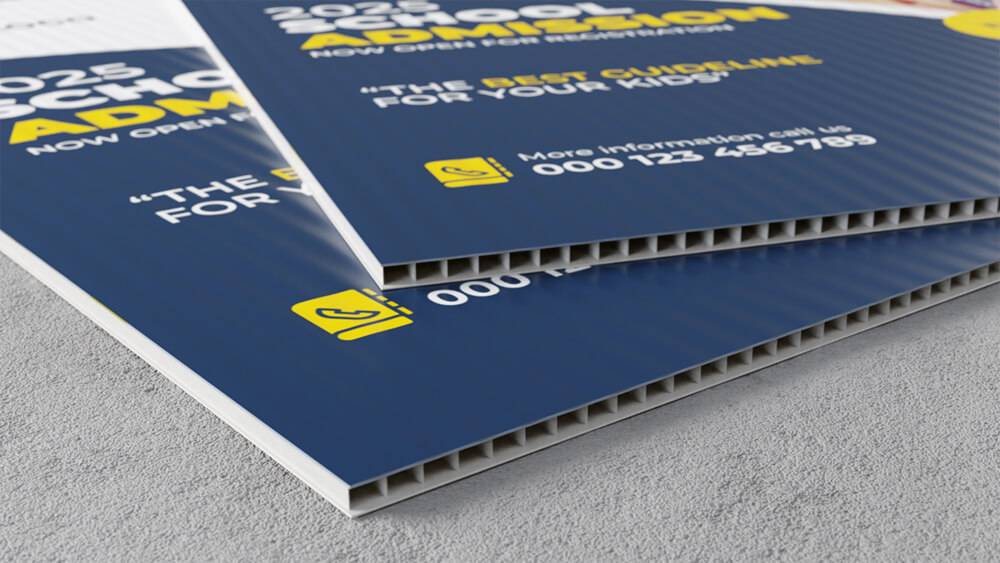
PVC signs are made from a smooth, rigid plastic board. They are lightweight, clean-looking, and versatile.
PVC is commonly used for indoor signs, retail displays, menu boards, directional signs, and business wall signs. It offers a professional appearance without the higher cost of premium materials like acrylic.
PVC is a strong choice when you want a sign that looks clean and polished but still fits a practical budget.
Cost Profile of PVC Signs
PVC signs are usually one of the most budget-friendly rigid sign options.
They are often less expensive than acrylic and may be more affordable than aluminum depending on size, thickness, and finishing.
PVC is cost-effective because it is lightweight, easy to print on, and easy to cut into custom shapes.
Best Uses for PVC Signs
PVC signs are ideal for:
- Indoor business signs
- Retail signs
- Menu boards
- Office signs
- Directional signs
- Trade show displays
- Product display signs
- Wall-mounted promotional signs
- Event signs
- Informational signs
PVC works especially well when the sign will be used indoors or in a controlled environment.
Advantages of PVC
PVC offers a strong balance of appearance and cost.
Key benefits include:
- Affordable compared to premium rigid materials
- Smooth print surface
- Lightweight and easy to install
- Professional appearance
- Available in different thicknesses
- Easy to cut into custom shapes
- Great for indoor signage
- Good for short-term and medium-term displays
For many small businesses, PVC is a practical choice because it looks professional without requiring a large budget.
Limitations of PVC
PVC is not always the best choice for every environment.
While it can be used in many situations, it is generally better for indoor or protected locations. For long-term outdoor use, aluminum may be a stronger option.
PVC may not have the same premium look as acrylic or the same outdoor durability as aluminum.
When PVC Gives the Best Value
PVC gives the best value when you need a clean, professional sign for indoor use at a reasonable price.
Choose PVC if you need:
- A professional indoor sign
- A menu board
- A retail display
- A directional sign
- A lightweight wall sign
- A budget-friendly rigid sign
- A sign for temporary or medium-term use
For businesses that need multiple indoor signs, PVC can offer strong value.
What Is Aluminum Signage?
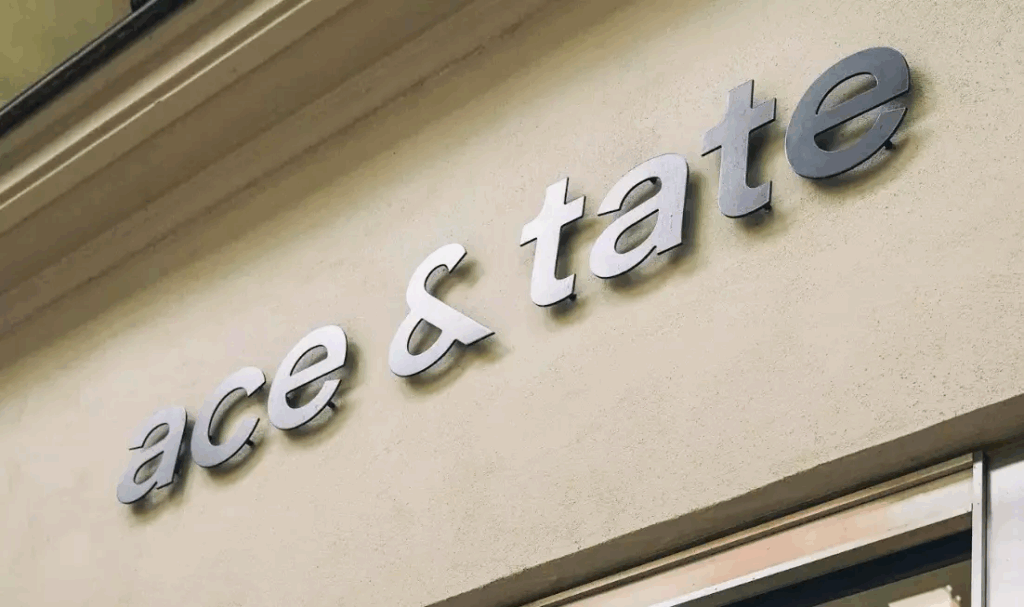
Aluminum signs are made from durable metal or aluminum-based sign panels. They are widely used for outdoor signs because they are strong, weather-resistant, and long-lasting.
Aluminum signs are common for parking signs, safety signs, construction signs, real estate signs, outdoor business signs, and directional signs.
When durability matters, aluminum is often one of the best material choices.
Cost Profile of Aluminum Signs
Aluminum signs usually cost more than basic PVC signs, but they often provide better long-term value for outdoor use.
The higher cost comes from the durability and weather resistance of the material. Aluminum can handle outdoor conditions better than many basic rigid materials, making it a smart investment for signs that need to last.
In some cases, aluminum may cost less than acrylic while still providing strong durability.
Best Uses for Aluminum Signs
Aluminum signs are ideal for:
- Outdoor business signs
- Parking signs
- Construction site signs
- Safety signs
- Directional signs
- Real estate signs
- Roadside signs
- Facility signs
- Property management signs
- Long-term outdoor signage
Aluminum is a strong choice when the sign will be exposed to weather, sunlight, moisture, or outdoor conditions.
Advantages of Aluminum
Aluminum offers excellent durability and practical long-term performance.
Key benefits include:
- Strong outdoor durability
- Weather-resistant
- Professional appearance
- Good for long-term use
- Suitable for safety and directional signs
- Works well for parking and property signs
- More durable than many temporary sign materials
- Clean and sturdy look
For outdoor projects, aluminum can be more cost-effective over time because it may not need to be replaced as quickly as less durable materials.
Limitations of Aluminum
Aluminum is practical and durable, but it may not always provide the same premium visual style as acrylic.
It can look professional, but it is usually chosen more for durability and function than for luxury interior presentation.
Aluminum may also cost more than PVC, especially when the sign is larger, thicker, double-sided, or requires special finishing.
When Aluminum Gives the Best Value
Aluminum gives the best value when the sign needs to last outdoors.
Choose aluminum if you need:
- Outdoor durability
- Long-term signage
- Parking or traffic signs
- Safety signs
- Contractor or construction signs
- Directional signs
- Weather-resistant business signs
- Signs for property or facility use
If your sign will face outdoor exposure, aluminum may save money over time by reducing replacement needs.
What Is Acrylic Signage?
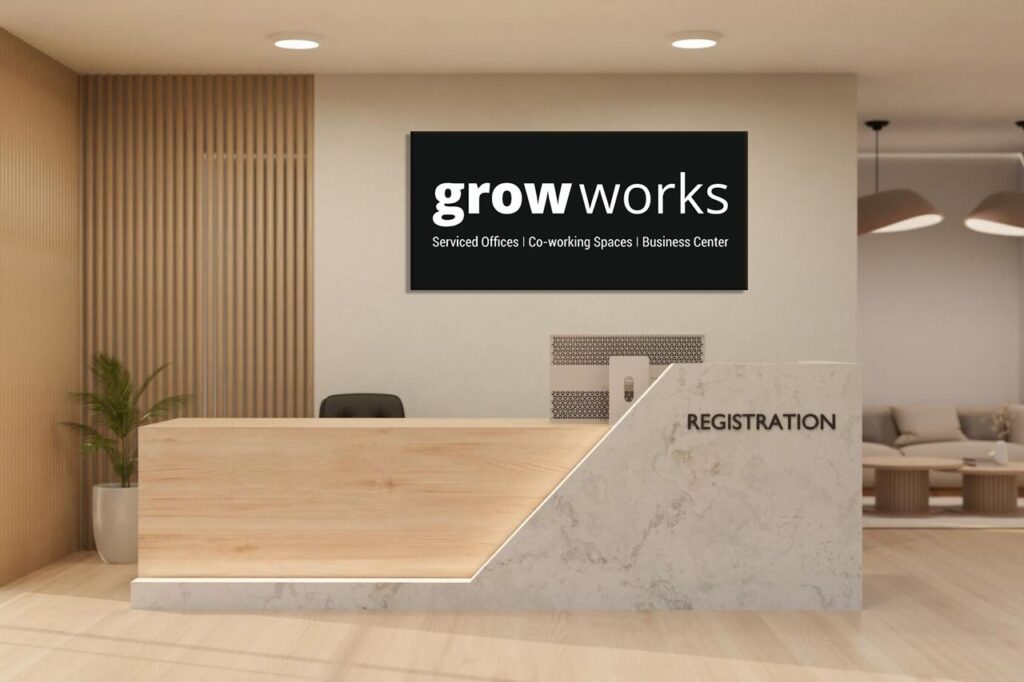
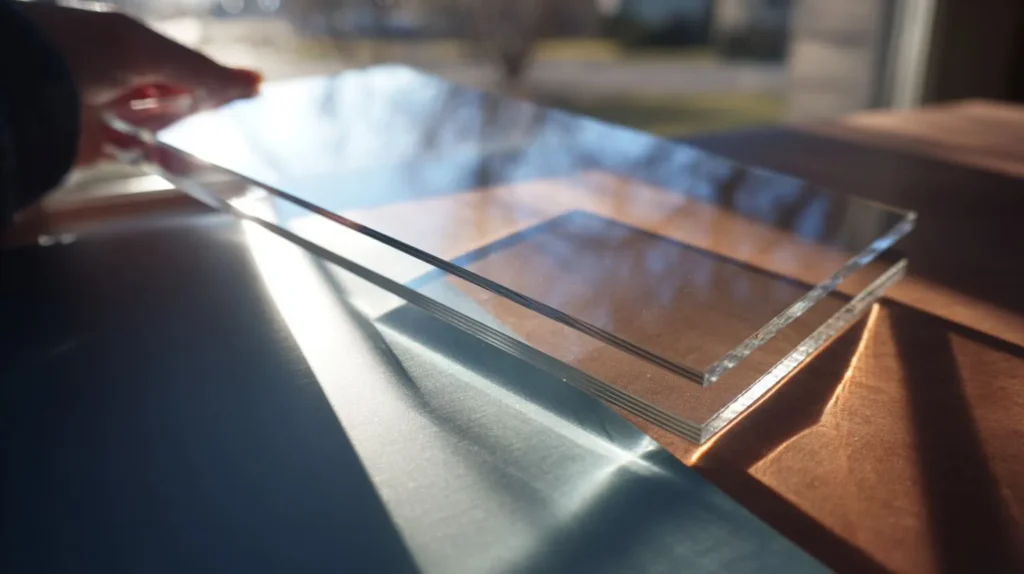
Acrylic signs are rigid signs known for their glossy, glass-like appearance. They are often used in professional indoor environments where brand image matters.
Acrylic is popular for lobby signs, office signs, reception signs, wall logos, salon signs, clinic signs, retail displays, and premium business signage.
Acrylic signs can make a business look more modern, polished, and high-end.
Cost Profile of Acrylic Signs
Acrylic signs are usually one of the higher-cost rigid sign options.
The higher price comes from the premium appearance, material finish, and installation options. Acrylic signs are often paired with stand-offs, polished edges, custom shapes, or layered designs, which can increase the final cost.
Acrylic is not usually chosen because it is the cheapest option. It is chosen because it creates a premium look.
Best Uses for Acrylic Signs
Acrylic signs are ideal for:
- Lobby signs
- Office wall signs
- Reception signs
- Brand logo displays
- Salon signs
- Clinic signs
- Professional service signs
- Premium retail displays
- Interior business signs
- Wall-mounted branding signs
Acrylic is especially strong for customer-facing spaces where first impressions matter.
Advantages of Acrylic
Acrylic offers a polished and premium appearance that many other materials cannot match.
Key benefits include:
- High-end glass-like look
- Smooth glossy finish
- Excellent for office and lobby signs
- Strong visual impact
- Modern and professional appearance
- Works well with stand-offs
- Great for brand presentation
- Suitable for premium interior signage
If you want your sign to feel elegant and professional, acrylic is often worth the investment.
Limitations of Acrylic
Acrylic usually costs more than PVC and may cost more than aluminum depending on the project.
It is also more commonly used indoors or in controlled environments. While acrylic can be used in some outdoor applications, many businesses choose it mainly for interior branding.
Acrylic may also require more careful handling and installation than basic PVC signs.
When Acrylic Gives the Best Value
Acrylic gives the best value when the sign is part of your brand presentation.
Choose acrylic if you need:
- A premium lobby sign
- A professional office sign
- A modern reception display
- A high-end brand logo sign
- A polished interior sign
- A sign for a customer-facing environment
- A display that improves first impressions
If the sign will be seen by clients, customers, patients, or visitors, acrylic can help create a stronger brand image.
Acrylic vs. PVC vs. Aluminum: Cost and Value Comparison
Each material has a different cost profile, but price alone should not be the only factor.
A cheaper sign may save money upfront, but it may not be the best value if it does not last long enough or does not match the image you want to create.
| Factor | PVC | Aluminum | Acrylic |
|---|---|---|---|
| Upfront Cost | Lower | Medium | Higher |
| Indoor Use | Excellent | Good | Excellent |
| Outdoor Use | Limited to controlled use | Excellent | Depends on application |
| Premium Appearance | Good | Good | Excellent |
| Durability | Good indoors | Excellent outdoors | Good for premium displays |
| Weight | Lightweight | Medium | Medium to heavier |
| Best Value For | Budget-friendly indoor signs | Long-term outdoor signs | Premium brand presentation |
| Common Finish | Smooth printed board | Durable printed metal panel | Glossy glass-like display |
Which Material Is the Most Affordable?
PVC is usually the most affordable of the three for many standard indoor sign projects.
It is a good choice when you want a professional-looking sign without the higher cost of acrylic or aluminum.
PVC is especially useful for businesses that need multiple indoor signs, menu boards, display boards, or promotional signs.
Which Material Lasts the Longest Outdoors?
Aluminum is usually the best choice for long-term outdoor durability.
It performs well in outdoor environments and is commonly used for parking signs, construction signs, safety signs, property signs, and directional signs.
If your sign will be exposed to weather, aluminum is often the smarter investment.
Which Material Looks the Most Premium?
Acrylic usually has the most premium appearance.
It gives a glossy, modern, and polished look that works well for lobby signs, reception signs, office signs, and brand displays.
If your sign needs to impress customers or clients, acrylic may be worth the higher cost.
Cost Comparison by Use Case
For Indoor Office Signs
For indoor office signs, PVC is a practical and affordable choice. It looks clean, installs easily, and works well for directional signs, room signs, and wall displays.
Acrylic is better when the sign is part of the office’s brand presentation, such as a reception logo sign or lobby display.
Aluminum can also work indoors but is usually chosen more for durability or a specific design style.
Best value:
- Budget option: PVC
- Premium option: Acrylic
- Durable option: Aluminum
For Lobby Signs
Acrylic is often the best choice for lobby signs because it creates a premium first impression.
PVC may be a more affordable option if the budget is limited.
Aluminum or aluminum composite may work well for a modern, industrial, or professional look.
Best value:
- Budget option: PVC
- Premium option: Acrylic
- Modern durable option: Aluminum
For Outdoor Business Signs
Aluminum is usually the best value for outdoor business signs because it is durable and weather-resistant.
PVC may not be the best choice for long-term outdoor exposure.
Acrylic may be used for certain exterior applications, but it is often better suited for premium indoor signage.
Best value:
- Budget short-term option: PVC
- Long-term outdoor option: Aluminum
- Premium specialty option: Acrylic
For Parking and Directional Signs
Aluminum is usually the best choice for parking and directional signs.
These signs need to be durable, readable, and weather-resistant. They are often installed outdoors and may need to last for a long time.
Best value:
- Recommended option: Aluminum
- Indoor directional option: PVC
- Premium indoor directional option: Acrylic
For Retail Displays
PVC is often a strong choice for retail displays because it is affordable, lightweight, and professional-looking.
Acrylic is better for premium product displays, luxury retail environments, or brand feature walls.
Aluminum may work well for durable signs or modern display systems.
Best value:
- Everyday retail display: PVC
- Premium display: Acrylic
- Durable display: Aluminum
For Construction Site Signs
Aluminum is usually the best choice for long-term construction site signs, safety signs, and project signs.
For short-term signs, PVC or Coroplast may be used depending on the need, but aluminum provides stronger durability.
Best value:
- Temporary signs: PVC or Coroplast
- Durable job site signs: Aluminum
- Premium project display: Aluminum composite
How Thickness Affects Cost
Material thickness can affect both price and performance.
Thicker signs usually cost more because they use more material and may require different cutting or finishing processes.
For example:
- Thin PVC may be suitable for temporary indoor signs
- Thicker PVC may look more solid and professional
- Thicker acrylic may create a more premium look
- Aluminum thickness may affect strength and durability
If the sign will be mounted, handled, or displayed long-term, choosing the right thickness matters.
How Size Affects Cost
Larger signs cost more because they require more material, more ink, more production time, and sometimes more finishing work.
A large acrylic sign can become significantly more expensive than a small one because acrylic is a premium material.
Large aluminum signs may also cost more, but they can provide strong outdoor value.
Large PVC signs may be more affordable, but they may not be the best choice for every outdoor setting.
How Finishing Options Affect Cost
Finishing options can increase the final price, but they can also make the sign look better and work better.
Common finishing options include:
- Rounded corners
- Drill holes
- Stand-offs
- Lamination
- Custom cutting
- Contour cutting
- Double-sided printing
- Polished edges
- Mounting hardware
Acrylic signs often become more expensive when paired with stand-offs or custom edges, but the final result can look much more premium.
Aluminum signs may require drill holes or rounded corners for safety and installation.
PVC signs may use custom shapes or rounded corners for a more polished appearance.
The Cheapest Option Is Not Always the Best Option
When comparing materials, it is important to think about total value, not just upfront cost.
A cheaper sign may be fine for a short-term indoor promotion. But if the sign needs to last outdoors, a more durable material may be more cost-effective in the long run.
For example:
- PVC may save money for an indoor menu board
- Aluminum may save money for an outdoor parking sign because it lasts longer
- Acrylic may create better value for a lobby sign because it improves brand perception
The best material is the one that fits the purpose.
How to Choose the Right Material for Your Budget

Before choosing a rigid sign material, ask yourself:
- Will the sign be used indoors or outdoors?
- How long does the sign need to last?
- Is the sign temporary or permanent?
- Will customers see it up close?
- Does the sign need to look premium?
- Will it be exposed to weather?
- Does it need mounting hardware?
- Is durability more important than appearance?
- Is brand presentation more important than cost?
- How many signs do you need?
Your answers will help determine whether PVC, Aluminum, or Acrylic is the best value.
Simple Decision Guide
Choose PVC if you need a clean, professional, budget-friendly sign for indoor use.
Choose Aluminum if you need a durable, weather-resistant sign for outdoor use.
Choose Acrylic if you need a premium, polished sign for a lobby, office, reception area, or high-end brand display.
Final Recommendation
Acrylic, PVC, and Aluminum are all excellent rigid sign materials, but they serve different purposes.
PVC is usually the best choice when you want an affordable and professional indoor sign.
Aluminum is usually the best choice when you need durability, outdoor performance, and long-term value.
Acrylic is usually the best choice when appearance matters most and you want a premium sign that improves your brand image.
If your main priority is budget, start with PVC. If your main priority is outdoor durability, choose aluminum. If your main priority is premium presentation, choose acrylic.
The right material is the one that matches your location, budget, timeline, and brand goals.
FAQ
Which is cheaper: Acrylic, PVC, or Aluminum?
PVC is usually the most budget-friendly option for many indoor rigid sign projects. Aluminum is often mid-range and best for outdoor durability. Acrylic is usually the premium option with a higher cost.
Which rigid sign material is best for outdoor use?
Aluminum is usually the best choice for outdoor rigid signs because it is durable, weather-resistant, and suitable for long-term use.
Which sign material looks the most professional?
Acrylic usually creates the most premium and polished look, especially for lobby signs, office signs, reception signs, and brand displays.
Is PVC good for business signs?
Yes. PVC is a good option for indoor business signs, menu boards, retail displays, office signs, and promotional displays.
Is Acrylic worth the higher cost?
Acrylic is worth the higher cost when the sign is used in a customer-facing space where brand image and first impressions matter.
Is Aluminum more durable than PVC?
For outdoor use, aluminum is generally more durable than PVC. PVC is better suited for indoor or controlled environments.
Can Acrylic signs be used outdoors?
Acrylic can be used in some outdoor applications, but it is more commonly chosen for premium indoor signs. The best choice depends on installation, weather exposure, and project requirements.
What is the best material for a lobby sign?
Acrylic is often the best choice for lobby signs because it creates a modern, glossy, and premium appearance.
What is the best material for parking signs?
Aluminum is usually the best material for parking signs because it is durable and works well outdoors.
Can Gigantic Prints help me choose the right rigid sign material?
Yes. Gigantic Prints can help you compare Acrylic, PVC, Aluminum, and other rigid sign options based on your budget, location, design, and intended use.
Ready to Choose the Right Rigid Sign Material?
Choosing the right material can help your sign look better, last longer, and deliver better value for your business.
Whether you need affordable PVC signs, durable Aluminum signs, or premium Acrylic signs, Gigantic Prints can help you create custom rigid signage that fits your project and budget.
Start your next rigid sign project with Gigantic Prints today and get professional signage built for your brand, your space, and your goals.